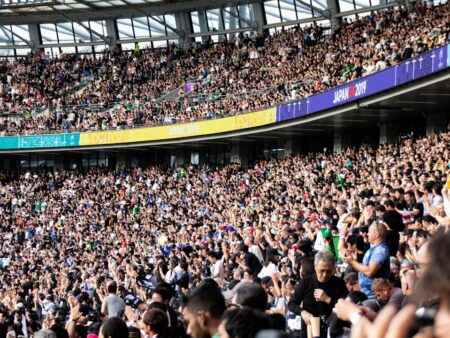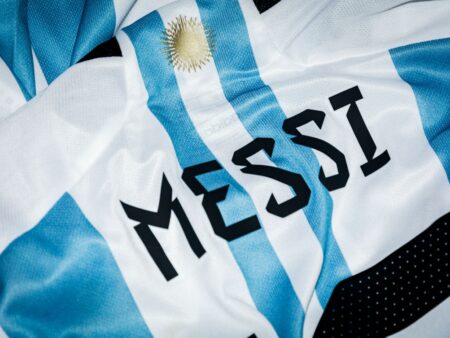

Six weeks after the final whistle in North America, the numbers are in: Morocco reached the quarterfinals for the second straight World Cup, while Senegal exited in the round of 32 for the second time in three tournaments. This Morocco Senegal World Cup 2026 legacy review looks at what both campaigns actually built on — and what they exposed — for two nations that entered the summer as Africa’s most credible contenders.
Neither run happened in a vacuum. Both squads carried the weight of a golden generation, a home-continent AFCON controversy still unresolved, and a decade of steadily rising expectations. Here’s how the history stacks up, how 2026 changed it, and what it means heading toward 2030.
Morocco’s World Cup Legacy: From Qatar’s Semifinal Run to a Back-to-Back Quarterfinal
Morocco’s modern legacy starts in Qatar. The Atlas Lions became the first African nation to ever reach a World Cup semifinal in 2022, eliminating Spain on penalties in the round of 16 before a Youssef En-Nesyri header sank Portugal 1-0 in the quarterfinal. France ended the dream 2-0 in the semifinal, and Croatia won the third-place match 2-1 despite an early Achraf Dari equalizer — but fourth place remained the best finish by an African team in World Cup history.
Morocco arrived in 2026 as the tournament’s most in-form qualifier on the continent. They became the first nation, from any confederation, to seal their ticket — a 5-0 demolition of Niger clinched Group E with two matches still to play, capping a perfect qualifying campaign. As FIFA.com’s official recap put it, the run booked a third successive World Cup appearance and a seventh overall.
Drawn into Group C alongside Brazil, Haiti and Scotland, Morocco drew the Brazilians, beat Scotland, and closed the group with a 4-2 win over Haiti to finish second. The knockout stage brought real drama: a 1-1 draw with the Netherlands settled on penalties, then a 3-0 dismantling of co-hosts Canada in Houston built on a brace from Azzedine Ounahi and a late Soufiane Rahimi finish. France ended the run again, 2-0 in the quarterfinal on July 9 — but the achievement stands: Morocco is now the first African side to reach the World Cup’s final eight in consecutive tournaments.
What Powered Morocco’s 2026 Run
- A settled core group under Walid Regragui, largely unchanged since 2022, which removed the adaptation period most squads need at a new tournament
- Knockout-round composure — Morocco won both the round of 32 and round of 16 by keeping games low-scoring and controlled rather than chasing an open game
- A genuine goal threat from wide areas, with Ounahi and Rahimi both scoring in the round of 16 rather than relying solely on En-Nesyri
Where Morocco Fell Short
- A finishing gap against the tournament’s very top sides — Morocco managed zero goals across two matches against France in 2022 and 2026
- Squad depth in central defense was tested by the extra-time slog against the Netherlands, and fatigue was visible by the quarterfinal
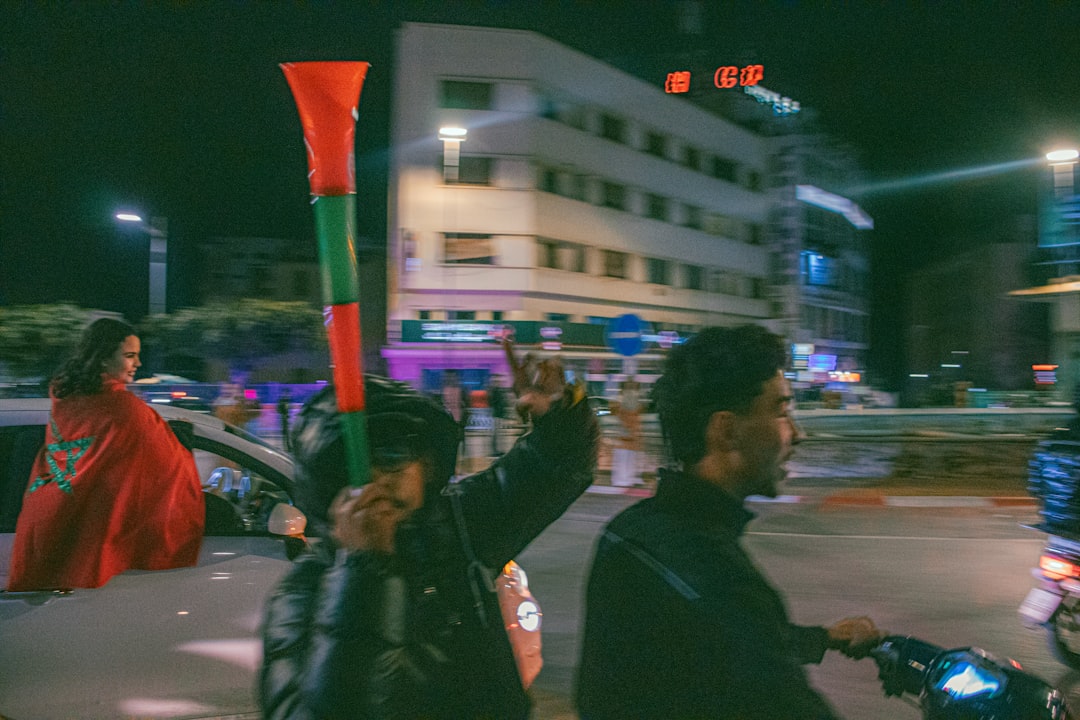
Senegal’s World Cup Legacy: Debut Heroics, Fair-Play Heartbreak, and a Round-of-32 Exit
Senegal’s World Cup story is the most dramatic of any African team’s. Their 2002 debut opened with a 1-0 upset of defending champions France, a Papa Bouba Diop goal that remains one of the tournament’s biggest shocks. That run reached the quarterfinals before a golden-goal loss to Turkey in extra time — still, at the time, the best World Cup finish by any Senegalese side.
Sixteen years later came the low point: Senegal became the first team in World Cup history eliminated on FIFA’s fair-play tiebreaker, finishing level with Japan on every conventional metric in 2018 but losing out for picking up two more yellow cards across the group stage. It remains a cautionary tale about discipline mattering as much as results.
Senegal answered that heartbreak in style. They won their first-ever Africa Cup of Nations in February 2022, beating Egypt 4-2 on penalties after a goalless final, with Sadio Mané converting the winning spot kick. Months later at the World Cup, they reached the round of 16 again before England ended the run 3-0 in Qatar.
Qualifying for 2026 was arguably Senegal’s most dominant campaign yet: unbeaten through CAF Group B, 24 points from a possible 30, seven wins and three draws, finishing two points clear of DR Congo. Drawn into a brutal Group I with France, Norway and Iraq, Senegal lost 3-1 to France and 3-2 to Norway before a 5-0 rout of Iraq secured passage as one of the best third-placed teams. The run stopped in the round of 32, beaten 3-2 by Belgium.
Senegal’s Defining Strengths
- Genuine squad experience across multiple World Cups — Koulibaly, Gueye, Mendy and Mané have now shared three tournaments together
- An ability to win ugly when it matters most, shown by the must-win 5-0 response against Iraq to save the campaign
The Cracks That Cost Senegal
- A leaky group-stage defense, conceding six goals in two matches against France and Norway before tightening up
- Post-tournament criticism from within Senegalese football pointed to over-reliance on data and performance apps at the expense of a coherent tactical identity — a structural question that predates and outlasts the Belgium defeat
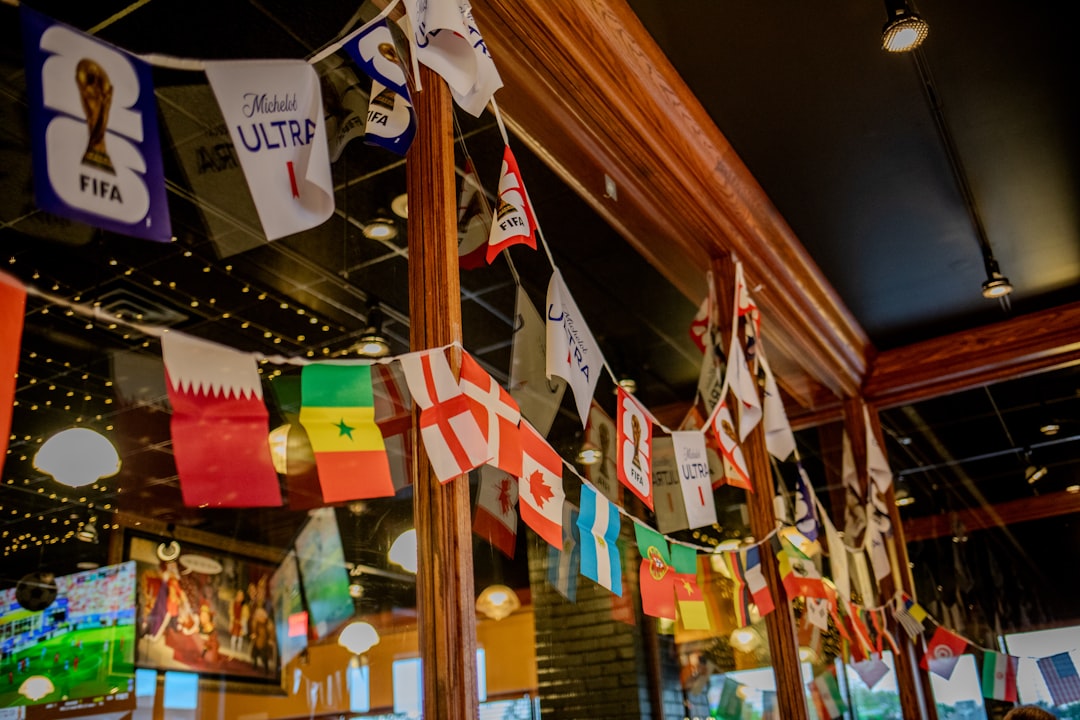
Morocco vs Senegal: Comparing Two Decades of African Ambition
Put side by side, the two legacies tell different stories about the same continental rise. Morocco has now reached the quarterfinals or better in back-to-back World Cups — a first for Africa — while Senegal’s ceiling at the tournament itself has stayed at the round of 16 since 2002, even as their squad quality has visibly improved. Our earlier piece on Africa’s Magnificent Seven flagged both nations as the continent’s most credible 2026 contenders before a ball was kicked, and the results broadly backed that call for Morocco while exposing Senegal’s knockout-stage fragility again.
The two nations’ legacies also collided directly off the pitch. Morocco hosted AFCON 2025 and lost the final 1-0 to Senegal on January 18, 2026 — a chaotic match in which Senegal’s players briefly walked off in protest at a stoppage-time penalty award. Two months later, CAF’s Appeals Jury overturned the result under articles 82 and 84 of the competition regulations, awarding Morocco the title by forfeit. As ESPN’s coverage of the CAF ruling notes, Senegal’s federation is appealing to the Court of Arbitration for Sport, a process that typically takes around a year — meaning the continent’s most recent major trophy remains legally unresolved as of this review.
That episode matters for legacy purposes beyond the trophy itself: it’s a reminder that discipline and composure under pressure — the same theme that cost Senegal their 2018 World Cup place — remain a live issue for the squad, while Morocco’s calm progression through two penalty shootouts in 2026 reinforced a reputation for game management that Senegal has yet to match at this level.
What This Legacy Means for the Betting Markets Going Forward
We’re not going to hand you a fabricated odds table — no verified, real-time pricing on Morocco or Senegal’s next major tournament exists at the time of writing, and a made-up number would do you more harm than good. What the data does support is a form-based read heading into 2027’s AFCON and the expanded 48-team 2030 World Cup.
Morocco’s case for continued market confidence rests on continuity: the same coach, largely the same spine of the team since 2022, and a knockout-round record (two shootout wins, one dominant last-16 performance) that suggests composure rather than luck. The one caveat worth tracking is squad fatigue and rotation — several key players carried heavy minutes across AFCON 2025 and the World Cup within six months of each other, which is exactly the kind of workload that shows up as injuries the following season.
Senegal’s outlook is murkier. The talent level remains high, but the pattern — concede early against elite opposition, recover late, then get undone by a moment of chaos — repeated itself from 2018 to 2026 in different forms. Bettors weighing Senegal for the next cycle should watch two things closely: whether Pape Thiaw’s setup addresses the tactical-identity criticism raised after the Belgium loss, and how the unresolved CAS appeal over the AFCON title affects morale and federation stability heading into qualifying. Our pre-tournament predictions piece rated Senegal as a knockout-stage threat but not a semifinal-caliber side — the round-of-32 exit lines up with that read.
Final Verdict: Which Nation’s Legacy Shines Brighter Heading Toward 2030?
On the pitch, Morocco’s legacy is now the strongest in African World Cup history: back-to-back quarterfinals, a semifinal in between, and a squad that has repeatedly delivered in moments that used to break African teams. Senegal’s legacy is more complicated — genuinely historic highs in 2002 and 2022, but a ceiling that keeps reappearing at the same stage of the tournament, compounded by an AFCON title that remains legally contested.
For anyone tracking these two nations into the next cycle, the practical takeaway is simple: follow squad news, injury reports and the CAS ruling as they land, rather than locking in assumptions based on this tournament alone. Both federations have the talent to go further in 2030 — what happens between now and then, on the training ground and in the disciplinary hearings, will decide whether either nation actually closes the gap.
Recommended Bookmakers

Oliver is a sports betting analyst with over 8 years of experience covering football, basketball, and esports across African and international markets. He specializes in odds analysis, bankroll management, and match previews for leagues including the English Premier League, CAF Champions League, and Kenyan Premier League. Oliver is passionate about helping bettors make informed decisions through data-driven insights rather than guesswork. When he’s not breaking down match statistics, he’s testing new betting strategies and reviewing bookmaker platforms for fairness and payout speed.