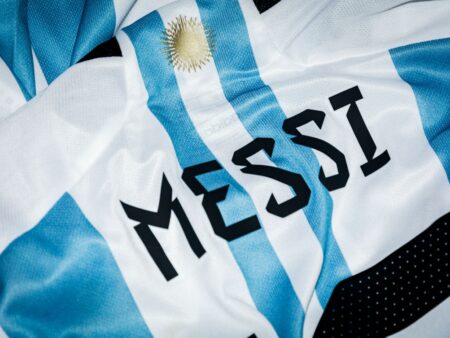

Last updated: October 2026 — the World Cup 2026 group stage and knockout rounds are now complete. This guide has been reviewed against final results; the analysis below is a retrospective look at how Africa’s record delegation performed, not a live betting preview.
The World Cup 2026 group stage betting guide Africa bettors actually needed wasn’t about odds — it was about understanding a format that changed everything. For the first time in tournament history, 48 teams meant 12 groups of four, and a brand-new safety net for third-placed sides that turned Africa’s record ten-team delegation into the standout story of the entire competition.
This guide breaks down exactly how that format worked, how Africa’s qualifiers were drawn, and which qualitative signals — schedule, form, squad depth — actually explained the results, rather than leaning on odds figures that go stale the moment a lineup changes. For ongoing coverage beyond this retrospective, check our latest predictions and tips for every major match on the calendar.
How the 2026 World Cup Group Stage Format Reshaped the Betting Landscape
The expansion to 48 teams was the biggest structural shift to the World Cup since 1998. Instead of the familiar 32-team, eight-group setup, the 2026 edition split the field into 12 groups of four (Groups A to L), each playing three matches, for a total of 72 group-stage fixtures across the United States, Mexico and Canada between 11 June and 19 July.
The real change came in how teams advanced. The top two finishers in every group qualified automatically — 24 teams — and were joined by the eight best third-placed sides across all 12 groups, filling out a brand-new Round of 32 that had never existed at a World Cup before. According to CAFOnline.com, this restructuring gave the Confederation of African Football nine direct qualification slots plus one inter-confederation play-off spot, effectively doubling Africa’s presence at the tournament.
For anyone reading group-stage form rather than fixed odds, that third-place lifeline mattered more than the draw itself. A team could lose a group and still be alive, provided its goal difference and goals scored held up against the other 11 third-placed finishers — a detail that turned goal difference into the most important qualitative stat of the entire group stage.
Africa’s Record Ten: Where Each Qualifier Landed
Morocco, Senegal, Egypt, Tunisia, Algeria, Ivory Coast, Ghana, Cape Verde, South Africa and DR Congo made up the largest African contingent in World Cup history — double the five teams present at Qatar 2022. Their groups set up some of the tournament’s most closely watched storylines:
- South Africa — Group A, alongside co-host Mexico, South Korea and Czechia.
- Morocco — Group C, drawn with Brazil, Scotland and Haiti.
- Egypt — Group G, facing Belgium, Iran and New Zealand.
- Algeria — Group J, alongside defending champions Argentina, Austria and Jordan.
- DR Congo — Group K, with Colombia, Portugal and Uzbekistan, marking their first World Cup appearance since 1974.
- Senegal — opened the tournament against host nation France.
- Cape Verde — making their historic debut, drawn into a brutal group featuring Spain and Uruguay.
- Ghana — tested early by England and Croatia.
- Ivory Coast and Tunisia completed the ten, with Tunisia landing in a demanding Group F.
Morocco and Senegal, Africa’s two highest-ranked sides, both sat in Pot 2 for the draw — a placement that kept them clear of some of the tournament’s toughest possible opening opponents and shaped much of what followed.
Why the Best-Third-Place Rule Became Africa’s Secret Weapon
This is where the format’s design paid off for the continent in a way no odds table could have predicted before a ball was kicked. Nine of Africa’s ten teams reached the Round of 32 — a new record, breaking the previous high of just two African nations advancing to the knockout stage in the same edition.
Senegal supplied the tournament’s most emphatic statement, thrashing Iraq 5-0 in their final group match to book a place among the eight best third-placed teams — the biggest win by an African men’s team in World Cup history. DR Congo secured their first-ever World Cup victory, beating Uzbekistan to progress from Group K as one of the best third-placed teams, and Algeria’s 3-3 thriller against Austria earned the point they needed to advance the same way — it was Austria, not Algeria, who took the runners-up spot behind Argentina in Group J, edging Algeria on goal difference.
For anyone comparing how sportsbooks priced these swings as they happened — a 5-0 rout shifting live odds far more than a draw ever would — Gal Sport Betting’s coverage of African World Cup fixtures is a useful reference point for that kind of in-play movement.
Only Tunisia failed to make the leap, losing all three of their Group F matches. For anyone assessing form rather than reputation, that split outcome — nine advancing, one eliminated — is the clearest evidence that continental ranking alone never told the full story once the group stage actually kicked off.
Bettors who tracked Africa’s pre-tournament contenders closely had a head start here: our pre-tournament ranking of Africa’s strongest World Cup 2026 squads flagged several of these sides as capable of outperforming their group position, months before the third-place drama unfolded.
Case Study: Reading Morocco’s Schedule Turned Into the Tournament’s Best Value Angle
Morocco’s run is the clearest illustration of why calendar and squad context beat raw odds every time. They opened by holding Brazil to a 1-1 draw, per FIFA.com’s official match report, then beat Scotland 1-0 and Haiti 4-2 to top Group C outright.
The knockout stage only raised the stakes. Morocco needed penalties to see off the Netherlands 3-2 in the Round of 32, before dismantling co-host Canada 3-0 in the Round of 16 — a game settled by a brace from Azzedine Ounahi and a late strike from Soufiane Rahimi. That result set up a quarter-final against France and made Morocco the first African nation to reach the World Cup’s final eight in back-to-back tournaments, following their historic 2022 semi-final run.
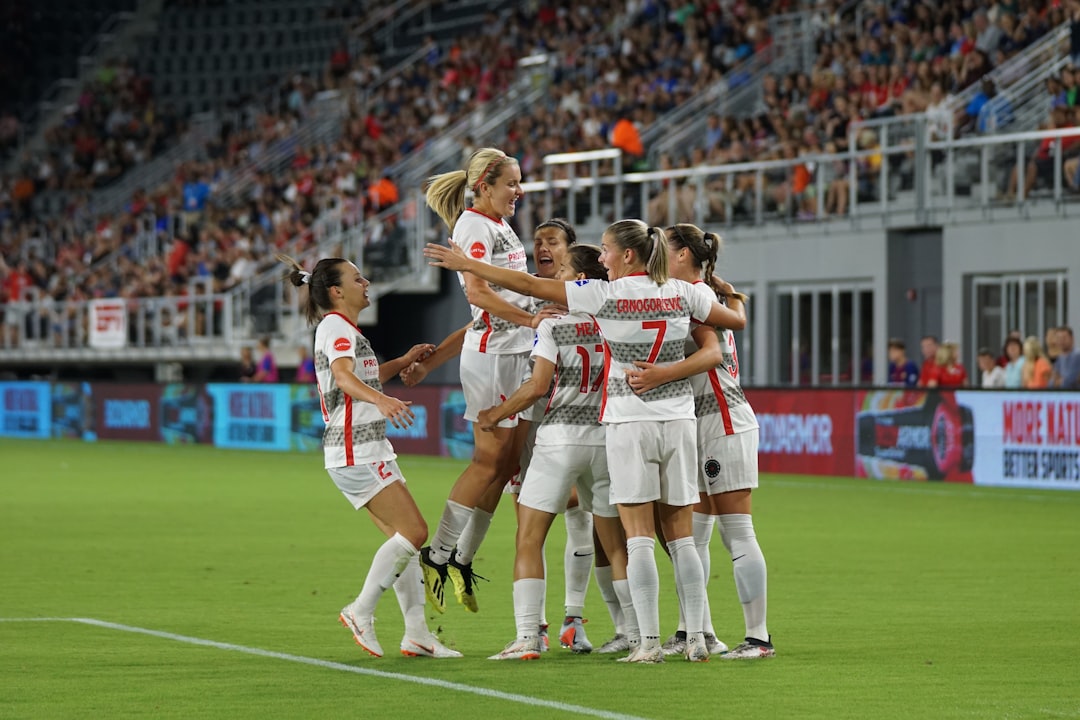
None of that trajectory shows up in a static odds line printed before the group draw. It shows up in squad continuity, a manageable early fixture list, and a team that had already proven it could handle knockout pressure four years earlier — exactly the kind of qualitative read this guide is built around. If you’re comparing how different bookmakers price that kind of shifting in-tournament form at future tournaments, our full review of Gal Sport Betting is worth a look. For the fuller picture of how Morocco and Senegal’s campaigns reshaped the continent’s standing, our complete legacy review of Morocco and Senegal’s World Cup 2026 campaigns goes deeper into both runs.
What Tunisia’s Early Exit Teaches Bettors About Group Draws
Tunisia’s group-stage elimination is the counterweight to the rest of Africa’s story, and it matters just as much for anyone building a betting approach around this format. A tough Group F draw, combined with a congested opening schedule, was enough to end their tournament in three matches — despite Tunisia arriving as one of Africa’s more established World Cup regulars.
The lesson isn’t that Tunisia underperformed in some abstract sense. It’s that reputation and qualifying pedigree travel poorly when the group draw hands a team back-to-back fixtures against sides in better tournament form. Reading the actual run of play — not just a country’s World Cup history — remained the more reliable signal all the way through the group stage.
Lessons for Future Tournaments: How to Read an African Group Draw
A few patterns from Africa’s 2026 group stage are worth carrying into future tournaments, whether it’s the next World Cup cycle or continental competitions in between. Before backing any of those future campaigns, it’s also worth comparing how different bookmakers price African sides in the first place — our complete review of Gal Sport Betting looks at their African football coverage and market depth in more detail.
- Goal difference is currency. Because third-placed teams never play each other, goals scored and conceded decide who advances — a single heavy win or loss can swing an entire route to the knockouts.
- Pot placement shapes the draw more than ranking headlines suggest. Morocco and Senegal’s Pot 2 status kept both sides clear of the toughest possible opening run, a structural advantage that mattered as much as squad quality.
- Early schedule congestion can undo a stronger squad. Tunisia’s exit shows that fixture difficulty in the first two matches can outweigh a team’s overall quality across 90 minutes.
- Debutants can still cause upsets. Cape Verde’s run into the knockout stage, despite being drawn with Spain and Uruguay, is a reminder that tournament nerves cut both ways.
How many African teams qualified for the 2026 World Cup?
Ten African nations qualified for the 2026 FIFA World Cup — Morocco, Senegal, Egypt, Tunisia, Algeria, Ivory Coast, Ghana, Cape Verde and South Africa via automatic qualification, plus DR Congo through the intercontinental play-off. That’s double the five African teams present at Qatar 2022 and the largest African delegation in World Cup history.
What was the group stage format at the 2026 World Cup?
The 48 competing teams were split into 12 groups of four, each playing three matches. The top two finishers from every group advanced automatically, joined by the eight best third-placed teams across the whole tournament, filling out a new 32-team knockout round that replaced the traditional Round of 16 as the first stage of the playoffs.
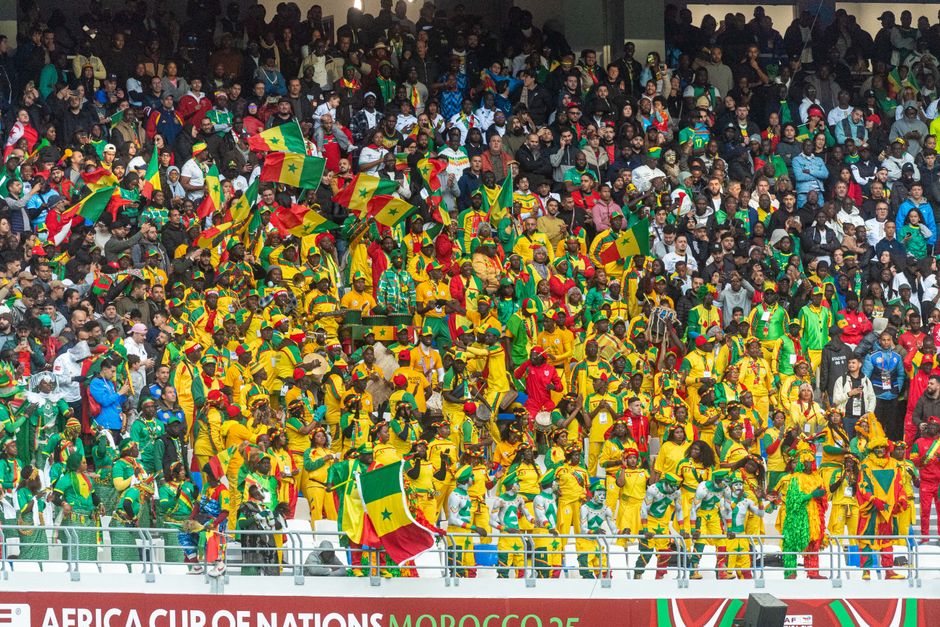
Nine of Africa’s ten teams turning a group draw into a knockout run wasn’t a coincidence of format alone — it was schedule, squad depth and in-tournament form lining up at the same time. For how that story ended at the very top of the bracket, our recap of Spain’s title run and Messi’s final World Cup covers the tournament’s ultimate outcome once the group-stage drama gave way to the knockout rounds.
Recommended Bookmakers

Oliver is a sports betting analyst with over 8 years of experience covering football, basketball, and esports across African and international markets. He specializes in odds analysis, bankroll management, and match previews for leagues including the English Premier League, CAF Champions League, and Kenyan Premier League. Oliver is passionate about helping bettors make informed decisions through data-driven insights rather than guesswork. When he’s not breaking down match statistics, he’s testing new betting strategies and reviewing bookmaker platforms for fairness and payout speed.