
Spain are the World Cup 2026 champions. On July 19 at MetLife Stadium in East Rutherford, New Jersey, Luis de la Fuente’s side beat Lionel Messi’s Argentina 1-0 after extra time, sealing the nation’s second world title and adding a bittersweet final chapter to Messi’s last World Cup. This is a full breakdown of how the final was won, the records that fell along the way, and Messi’s reaction once the whistle blew.
Spain’s 1-0 Extra-Time Win Secures a Second World Cup Title
For 90 minutes, Argentina — reduced to ten men after Enzo Fernández picked up a second yellow card in the second half — held on without registering a single shot on target. Spain kept probing, with Mikel Merino heading narrowly wide before the breakthrough finally arrived deep into extra time.
An earlier Ferran Torres goal was ruled out for offside in the build-up, keeping Argentina’s hopes alive a little longer. It didn’t last: in the 106th minute, Nico Williams stretched to meet a hooked cross and nodded the ball back for Torres, who buried it from close range past a heroic Emiliano Martínez.
How Ferran Torres Settled the World Cup 2026 Final
Torres came off the bench to become the difference-maker in the biggest game of his career. Martínez had already made a string of saves to keep Argentina in contention, but he had no answer for the substitute’s finish. It was the only goal Spain needed — and, as it turned out, the only goal they conceded across the entire tournament.
- Spain became the first World Cup-winning side in the men’s tournament to concede just a single goal across the whole competition.
- Emiliano Martínez finished the final with 11 saves — the most ever recorded by a goalkeeper in a men’s World Cup final.
- Luis de la Fuente, 65, became the oldest coach to lead a team to the World Cup title.
The Records Spain Broke Along the Way
This was the first edition of the World Cup played with 48 teams, and Spain navigated the expanded format without a single defeat. Their defensive record — one goal conceded in the entire tournament — sits among the tightest in World Cup history, and it capped a run that started with their 2010 triumph in South Africa. Sixteen years later, La Roja are two-time world champions.
Argentina, by contrast, were denied a shot at back-to-back titles. It was their fourth defeat in seven World Cup finals, and it means the last men’s team to retain the trophy remains Brazil, back in 1962.
Messi’s Last World Cup Reaction: “The Pain Is Immense”
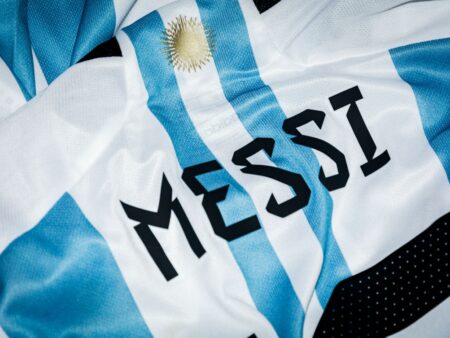
Rather than head straight down the tunnel, the 39-year-old stayed seated alone on the pitch at MetLife Stadium, absorbing the moment as Spanish players celebrated a few yards away. Several of them walked over afterward to hug and console him. During the medal ceremony, as Spain formed a guard of honor for Argentina’s players, Messi tried to smile but couldn’t manage it.
He didn’t speak to reporters that night. The following day, he posted a message on Instagram instead: “The pain is immense and it will take time for this wound to heal,” he wrote, adding, “But I’ll also take away all the good things… The matches we turned around by giving it all, which will remain.” He went on to reflect on the run itself, noting that the team had reached “two consecutive World Cup finals” despite how hard that was to appreciate in the moment. According to NPR, Spain’s win also made them the first nation to hold both the men’s and women’s World Cup titles at the same time.
What Comes Next for Messi and Argentina?
Whether this was Messi’s final appearance in an Argentina shirt is still unresolved. He has been here before: after a penalty shootout loss in the 2016 Copa América final — played, coincidentally, at this same stadium — he announced his international retirement, only to reverse the decision 47 days later and go on to win the 2021 Copa América and the 2022 World Cup. Coach Lionel Scaloni said after the final that he hadn’t yet spoken to Messi about his international future, leaving the door open either way.
For context on how shaky Messi’s road to this final looked just months earlier, our Messi injury and Argentina World Cup 2026 breakdown covers the fitness scare that put his participation in doubt before the tournament even began.
Why This Final Reshapes the World Cup 2026 Betting Conversation
Spain’s triumph closes the loop on a tournament that many pre-tournament markets and pundits had leaning toward Argentina or the host nations. We flagged Spain among the contenders worth watching in our World Cup 2026 predictions and favorites piece published before the knockout rounds, and the final result underlines just how far a tight defensive record can carry a squad in a 48-team format. The expanded tournament also gave more room to emerging footballing nations — a trend we broke down in our look at Africa’s best teams heading into World Cup 2026.
What’s clear is that Spain’s 2026 title wasn’t built on flair alone — it was built on a defense that conceded once in seven matches, a coach who trusted his bench at the right moment, and a substitute who delivered when it mattered most. For Argentina and Messi, the story ends, for now, in tears on the MetLife Stadium turf — with the football world waiting to see if there’s one more chapter still to come.
Recommended Bookmakers

Oliver is a sports betting analyst with over 8 years of experience covering football, basketball, and esports across African and international markets. He specializes in odds analysis, bankroll management, and match previews for leagues including the English Premier League, CAF Champions League, and Kenyan Premier League. Oliver is passionate about helping bettors make informed decisions through data-driven insights rather than guesswork. When he’s not breaking down match statistics, he’s testing new betting strategies and reviewing bookmaker platforms for fairness and payout speed.